 European Sign Federation
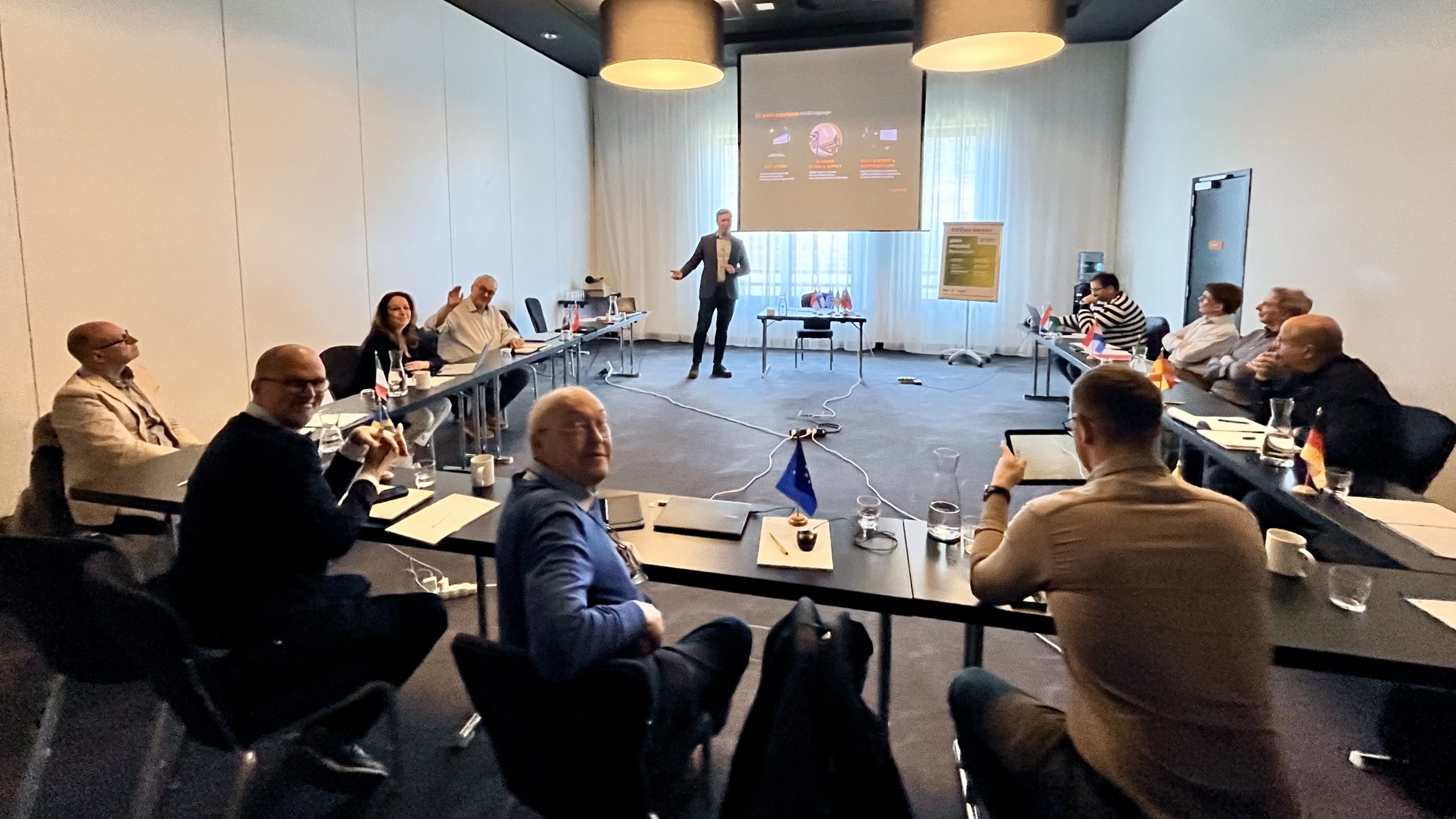
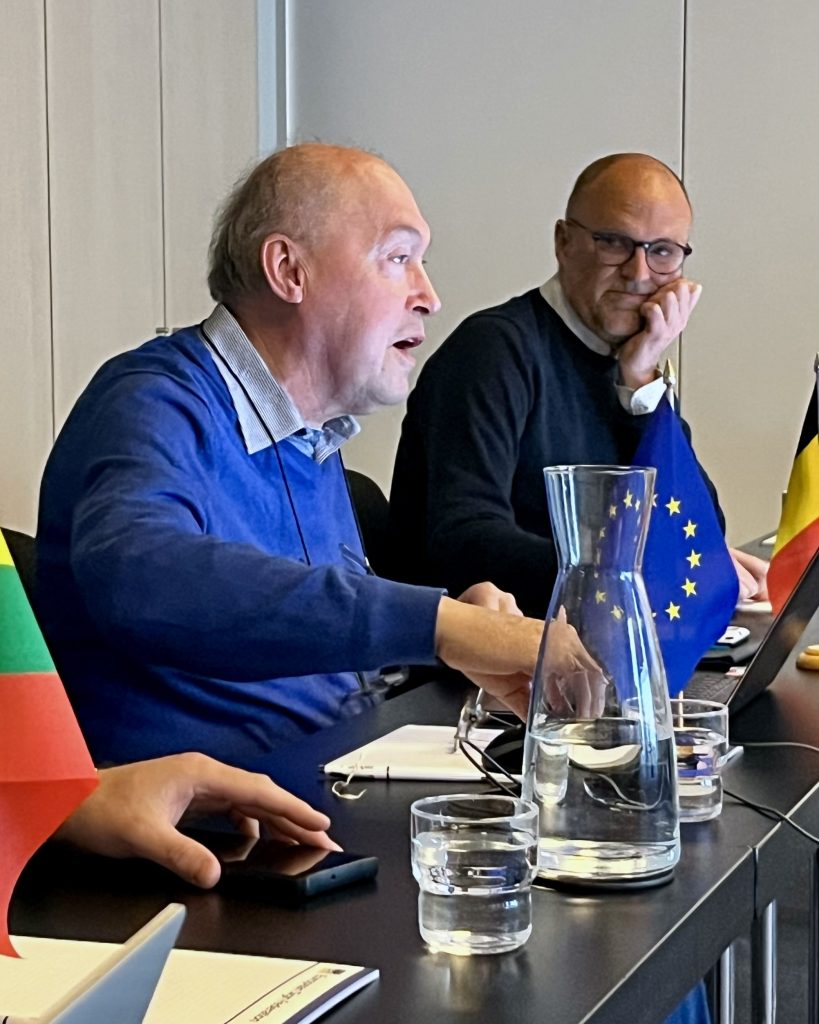
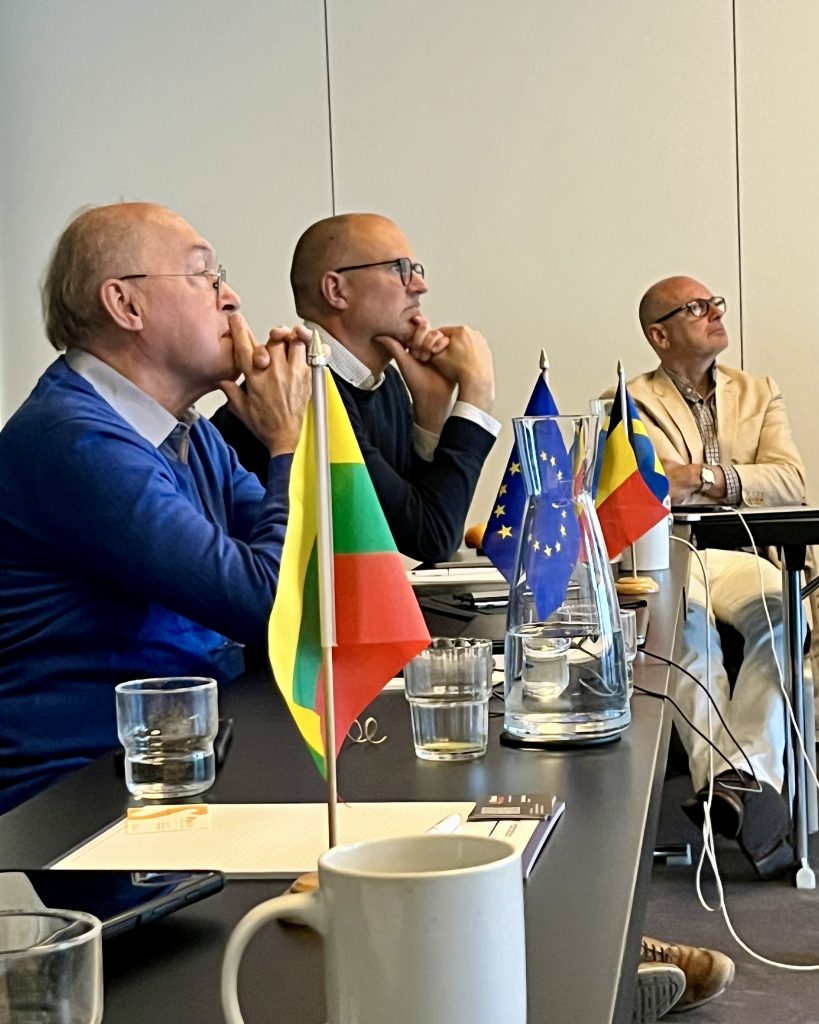
The signage industry continues to evolve – navigating between progress and challenges. This was the key takeaway from the European Sign Federation’s spring conference in Leuven, Belgium, where ESF President Luc Steegmans warm welcomed delegates from national signmaker associations.
With the development of the SignManual, which we have initiated, we are guiding signmakers through the European regulatory maze and providing orientation in an increasingly complex environment. Thomas Berens (Technical Director of the ESF and LWD board member) reported on the progress of the manuscript. Some chapters have already been reviewed by DIN Media and signmakers to ensure the desired “easy reading” quality.
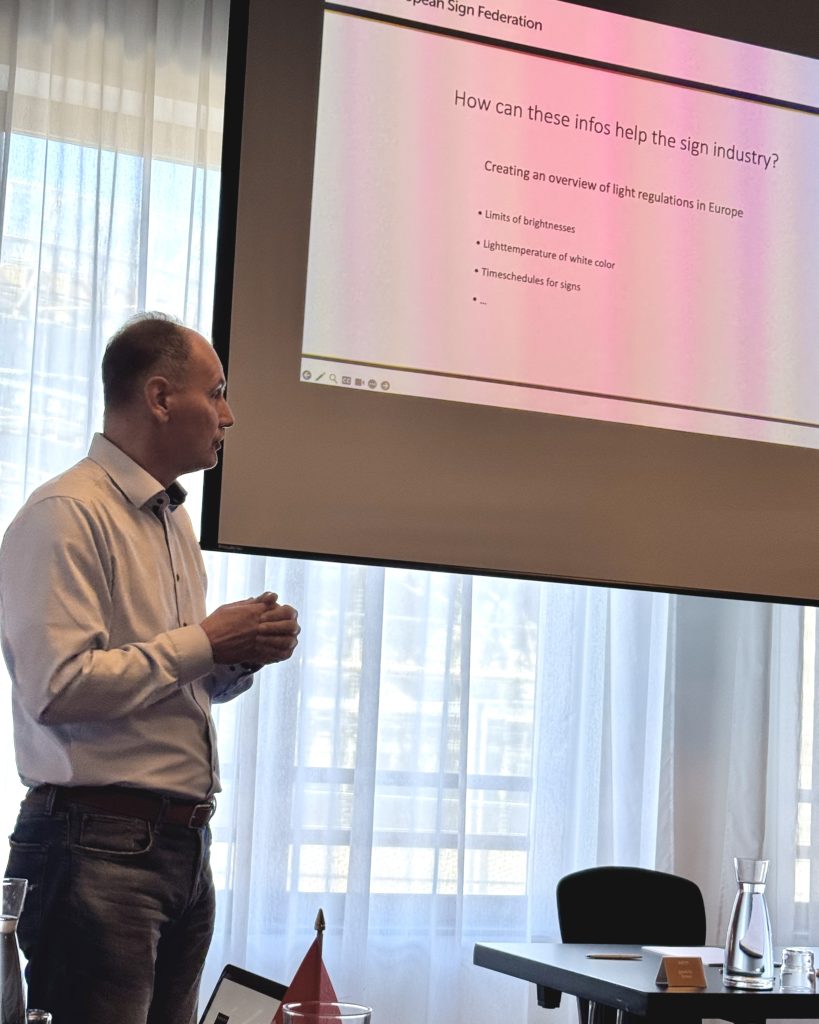
A central theme remains the reduction of light emissions from luminous signs. This will also be reflected in the SignManual. Despite progress, implementation remains demanding – both technically and from a regulatory perspective. Nevertheless, we are on track.
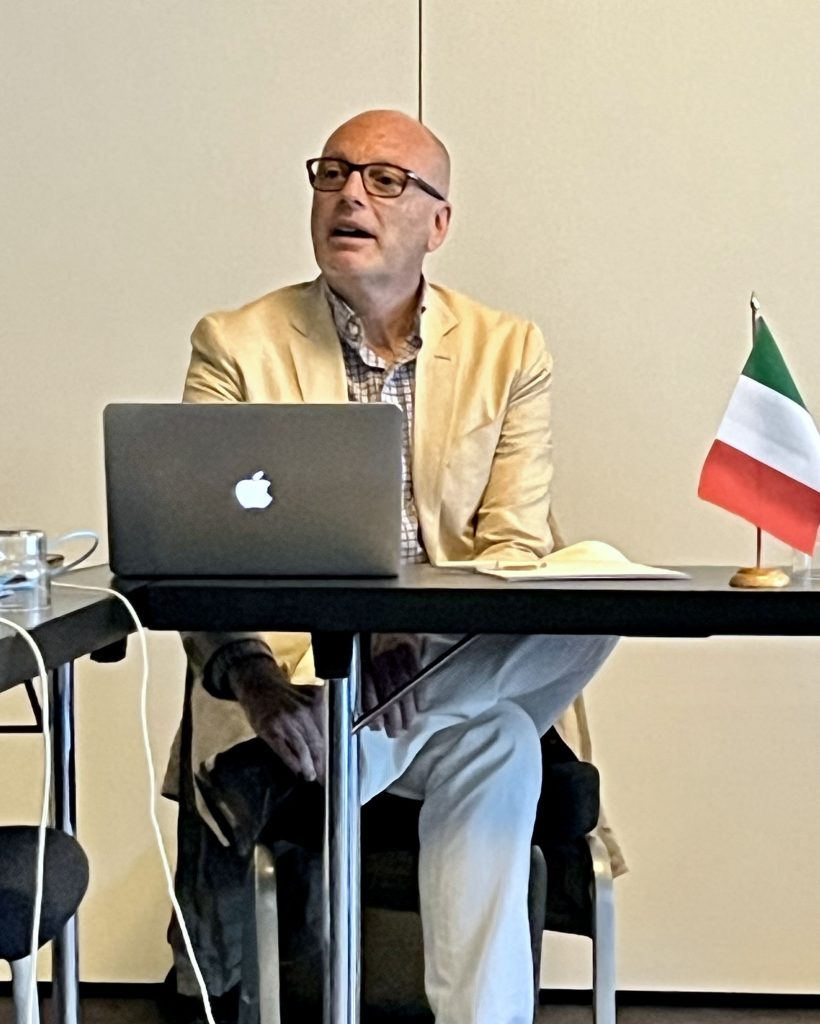
Another important step: The revision of EN 50107-3 is gaining momentum. Last November, Fausto Martin (Technical Director of the ESF, Italy), Ralph Hug (VWP, Switzerland), and Marcus Thielen successfully convinced the CENELEC Commission that the withdrawn standard for the signage industry is urgently needed.
Following approval and the call for experts—which also includes Michael Hohl (VÖL)—the working group, with Ralph Hug as covenor, has begun its work. Now it is crucial that we secure the necessary support from national stakeholders at the CENELEC level to establish the required Technical Committee (TC) and develop a revised standard. Only this can provide legal certainty and definitively establish that illuminated advertising constitutes an installation.
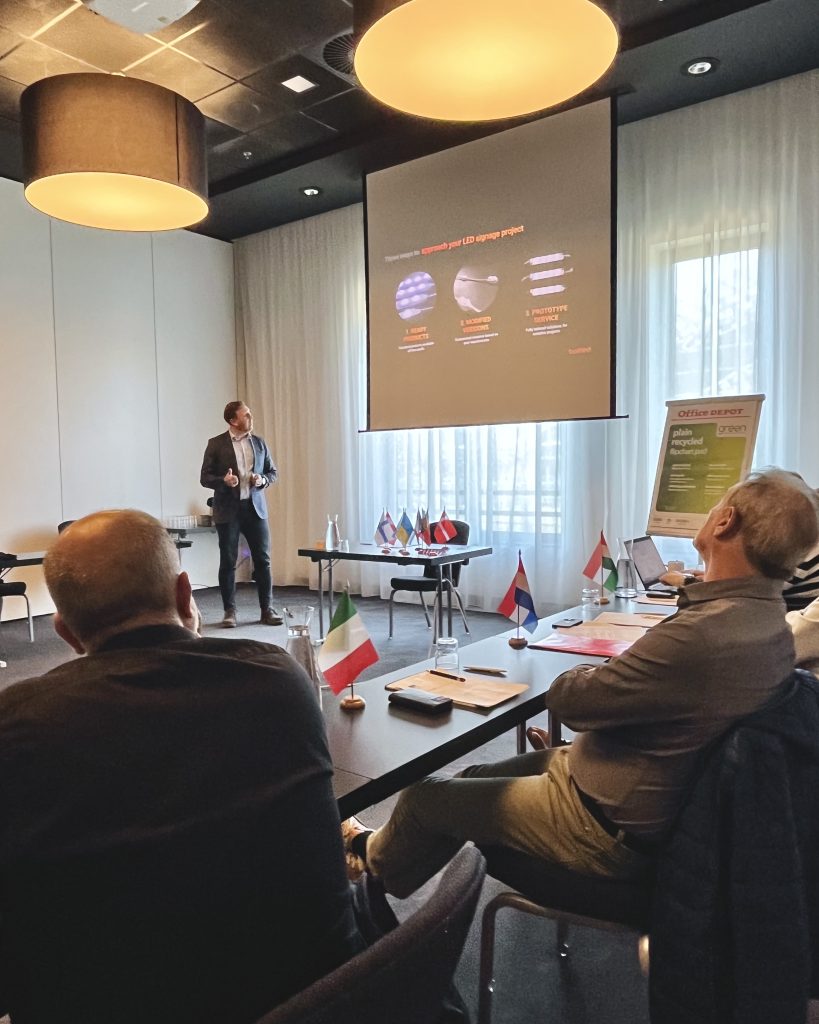
The question of possible solutions for light emission was then addressed in the subsequent product presentation by Mindaugas Jasiulevicius of BaltLED (https://baltled.com/). In addition to a very broad product range and numerous technical options, including project-specific LED modules, the attendees paid particular attention to the presentation of components for light management for luminous signs. Besides controllers integrated into transformers, the 4G Signage IoT Control system offers a more comprehensive, modularly expandable solution.
During the final discussion regarding the economic situation in the individual European countries revealed a clear picture. Many in the industry have mixed feelings about the economic outlook for 2026. Due to the crises in Israel/Lebanon and Iran, many materials are subject to significant price fluctuations, particularly acrylic glass and aluminum. This uncertainty is also leading to a reluctance among customers to place orders. But between palpable uncertainty and cautious optimism, one thing is clear: cooperation and clear regulatory frameworks will be crucial.
EuropeanSignFederation #Signage #Regulation #Standardization #LightEmission #SignManual #EN50107 #Europe